Electrical Engineer, Pioneer in Broadcasting, Founder Member of BBC
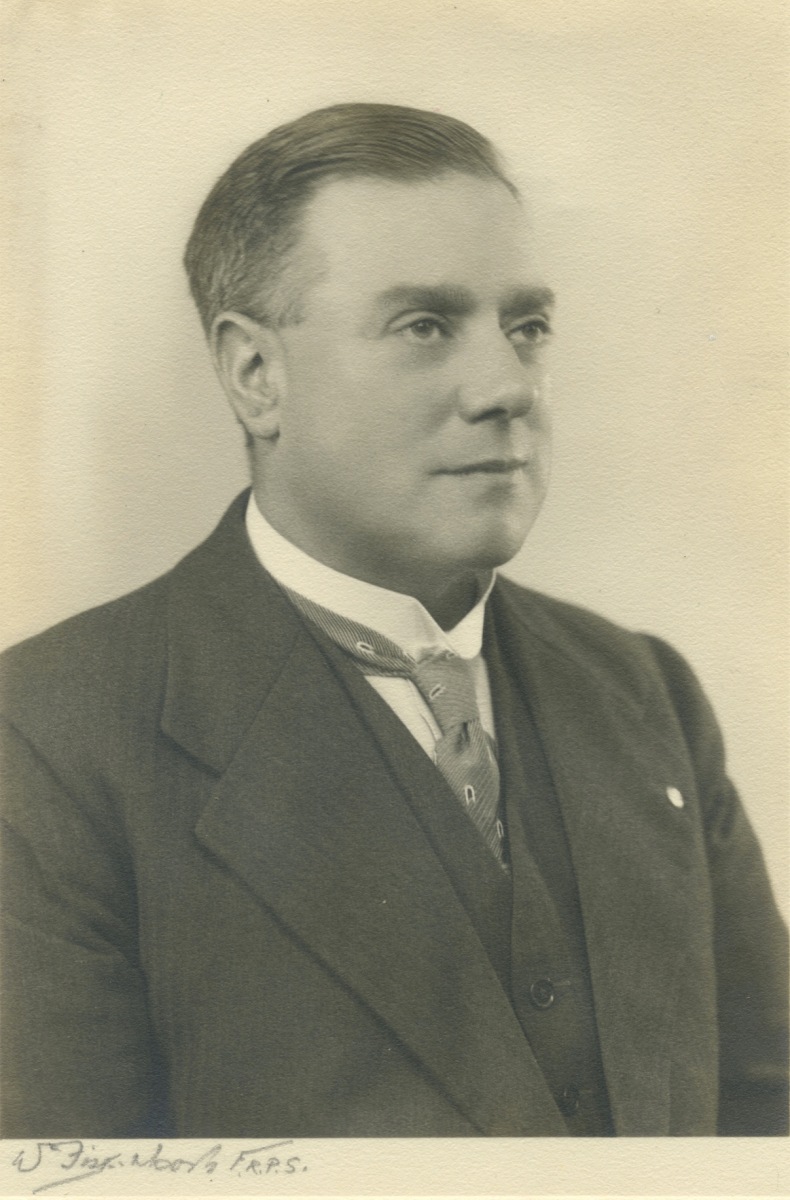
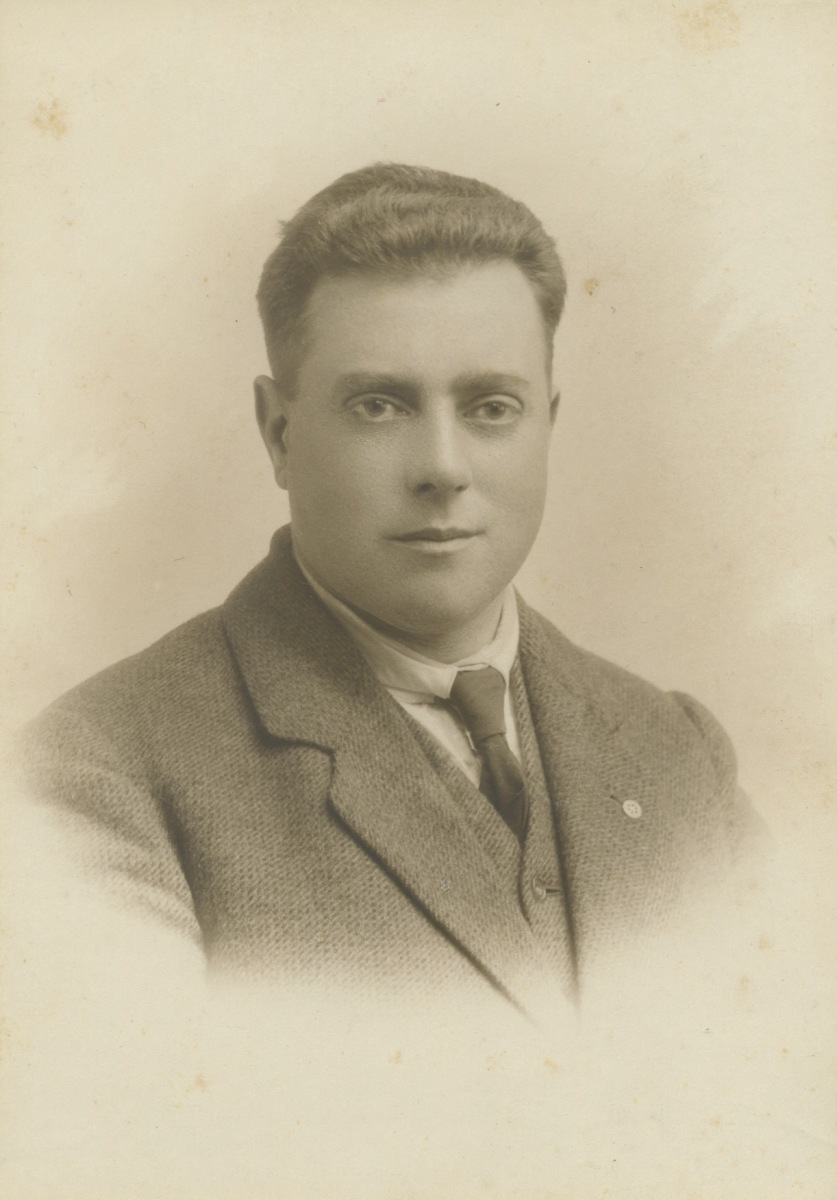
Sydney Bligh (images 1 and 2) was a man of Canterbury, born in the city on 4 November 1888 to Sydney and Minnie. His father was a coachbuilder, but Sydney was drawn to becoming an electrical engineer and gained an apprenticeship with A.E.G. Co. He started experimenting with radio in 1913. In those days, before the general use of electricity, power for early transmissions was delivered from a motorcar spark coil, and with this, he had a transmitting range of between 10 and 20 miles. The tuning coils were wound on mangle rollers! The aerial for these early experiments was 200 yards long and stretched from the mill in St. Radigund’s Street to his home in Pound Lane. His transmissions took place on Sunday evenings and on weekdays between 10 pm and 11 pm, and consisted chiefly of gramophone records, but on occasion he broadcast concerts by local artists from among his friends.
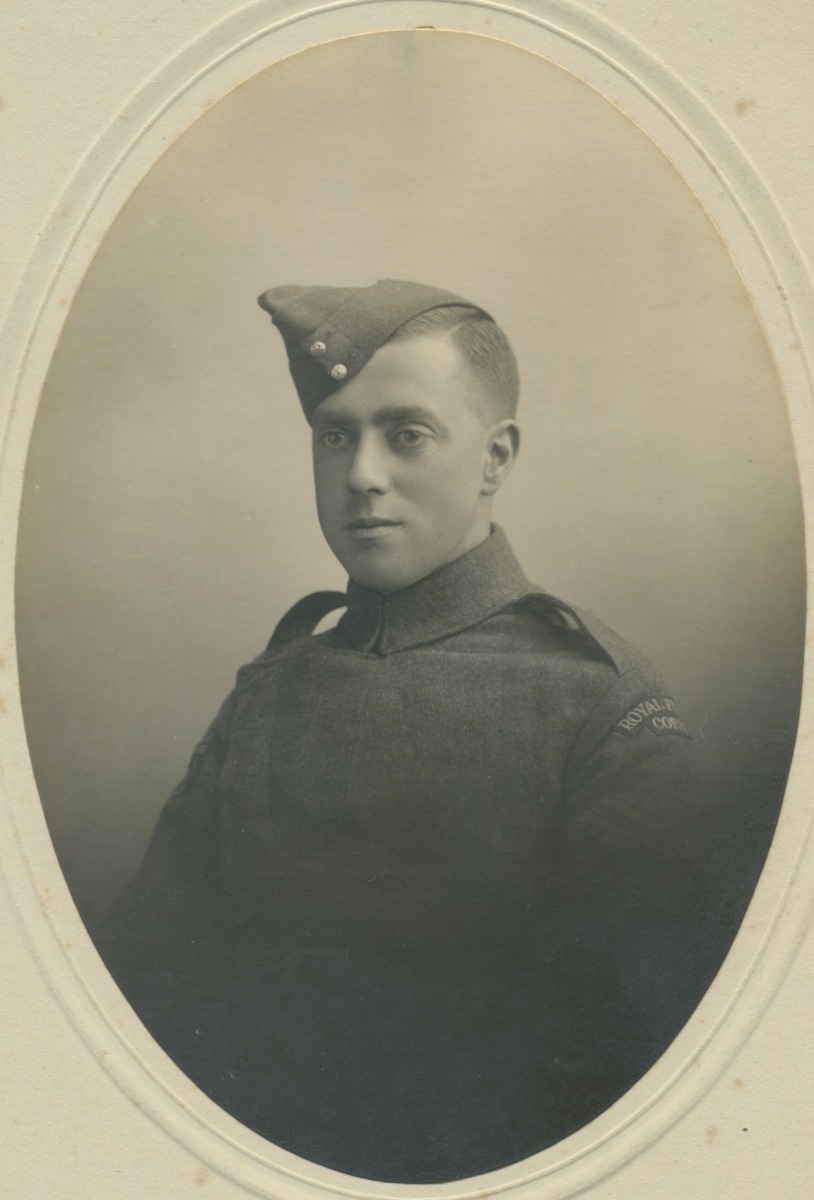
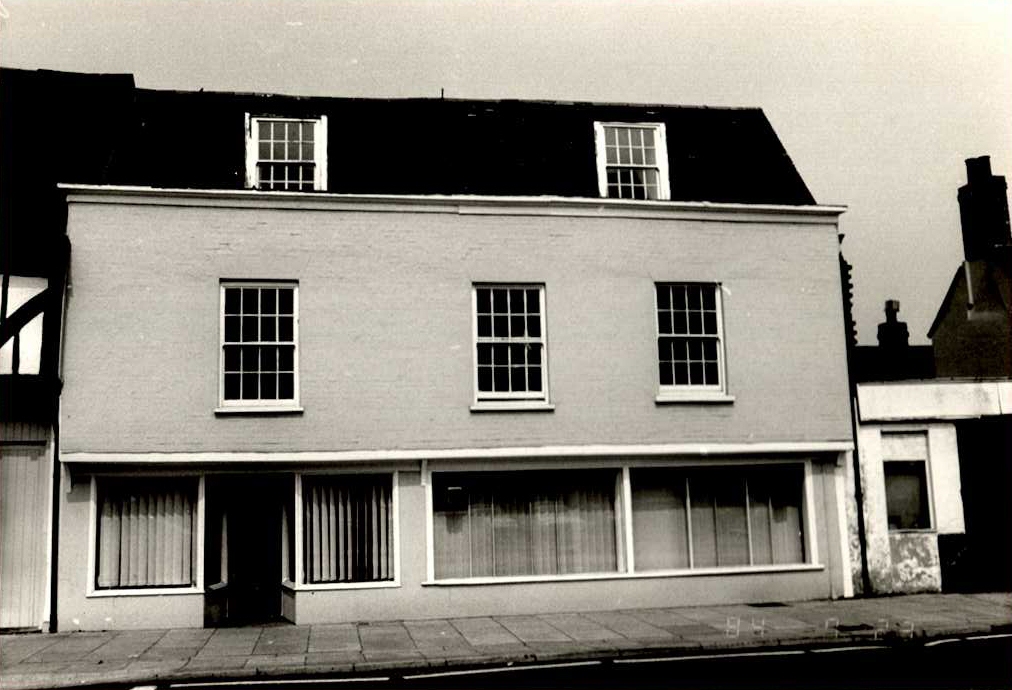
During W.W.1 he served in the Royal East Yeomanry, before being transferred to the Royal Flying Corp (image 3) where he oversaw magneto and electrical work at an aerodrome in Sheffield. Originally, he lived in North Lane (images 4 and 5) but later this became his shop and he moved to South Canterbury Road.
On return to civilian life, he concentrated his efforts on radio equipment. His partner, Mr. Apps, quoted in an article in 1963 that they were ‘founder members of the British Broadcasting Company’. In 1925 he was approached by Captain West, a former King’s student, to build receiving apparatus to assist the BBC with their first overseas broadcast in their relay of the Malines Carillon from Brussels. The apparatus was erected in an orchard in the New Dover Road, with a directional, aerial 400 yards long, suspended, two feet from the ground.
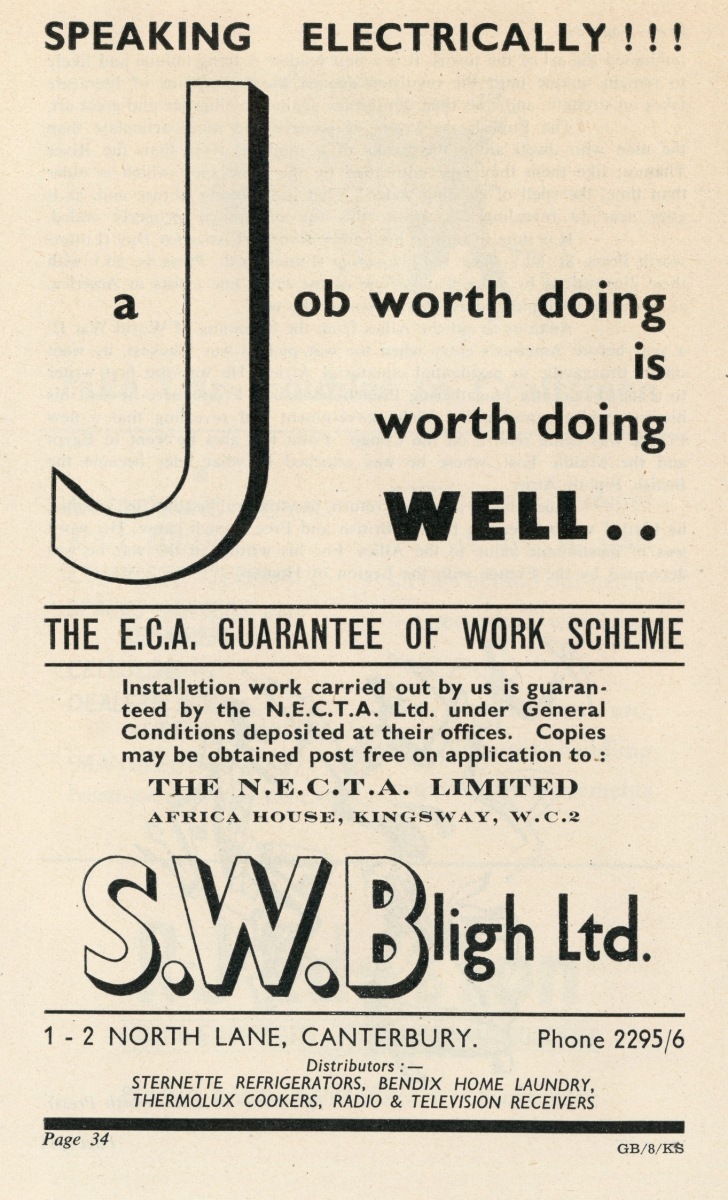
By this time, Sydney was a radio manufacturer and devoted his energies to their design and manufacture. (Image 6 shows an example of an advertisement from the 1940’s). Always interested in new technology, with the arrival of movies he expanded his interests and by the 1930s he was filming in and around Canterbury recording various events such as school sports, civic functions, weddings, carnivals, Royal visits to the city and the Friends’ Festival. He created annual films which he presented to raise money for various charities. A writer in 1935 described Sydney at one of the events he was recording as ‘hard at work with his cine camera, so quietly and unobtrusively’. The writer said the work was a ‘smooth, workmanlike and perfectly finished film which challenges comparison with professional newsreels.’ The writer when referring to one of the films finished his piece by saying that that ‘it is impossible to overstate its importance to the city as a permanent record of our corporate life.’
It was thought that these films had been lost but Sydney Bligh’s family had stored them away safely. After contact with Tim Jones, a film lecturer at Canterbury Christ Church University, it was arranged for the films to be stored for posterity at Screen Archive South East and to be copied digitally. This allowed so many more people to watch and admire these films.
Sydney was very energetic in the various organizations to which he belonged, including the Canterbury and District Chamber of Trade, Canterbury Rotary Club, Electrical Contractors Association and the Freemasons. He was also a keen supporter of the Kent and Canterbury Hospital. He took pride in being from the city and was described as having a strong sense of public duty.
He died suddenly on 16 July 1943. He left a widow, Mary (nee Fullager), whom he had married in 1928 and a daughter, Joan Mary, who was born in 1939.
Obituaries about him said that he was ‘an exceptionally clever electrical engineer’ and that he had ‘achieved an international reputation as one of the pioneers in radio and television, and for the many scientific inventions and improvements which he introduced’. The man himself was described as a singularly modest and unassuming man and the honours and tributes which he received left him entirely unspoilt.
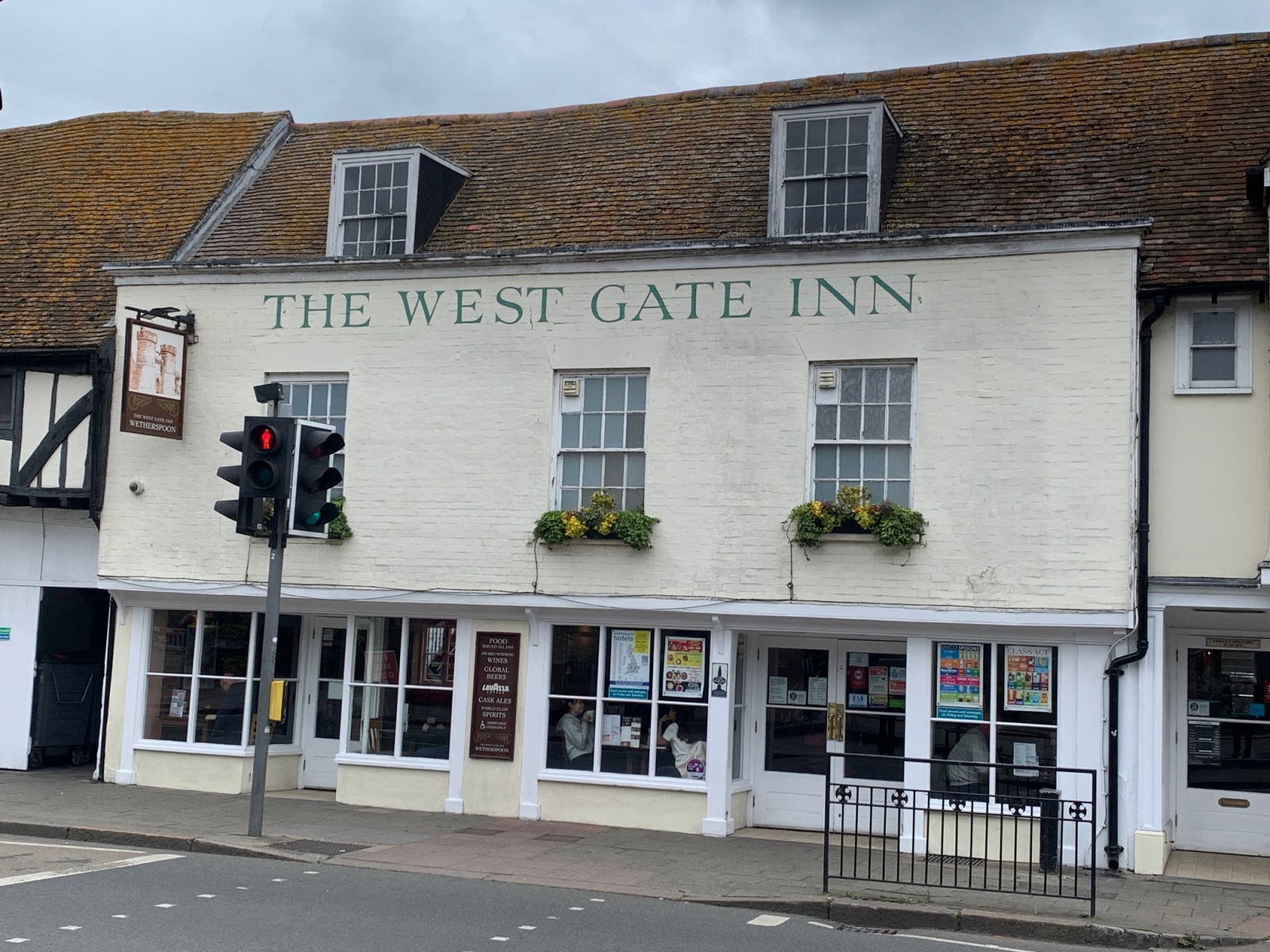
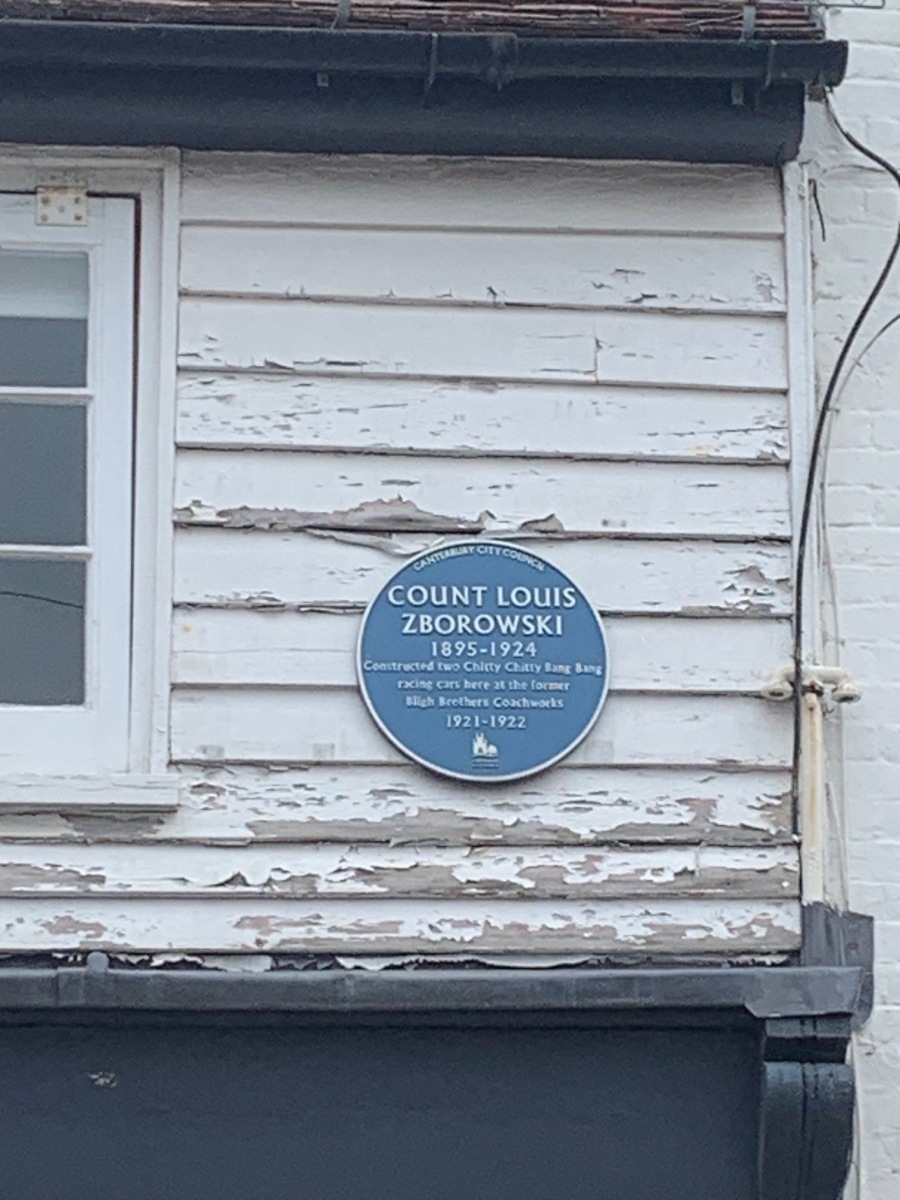
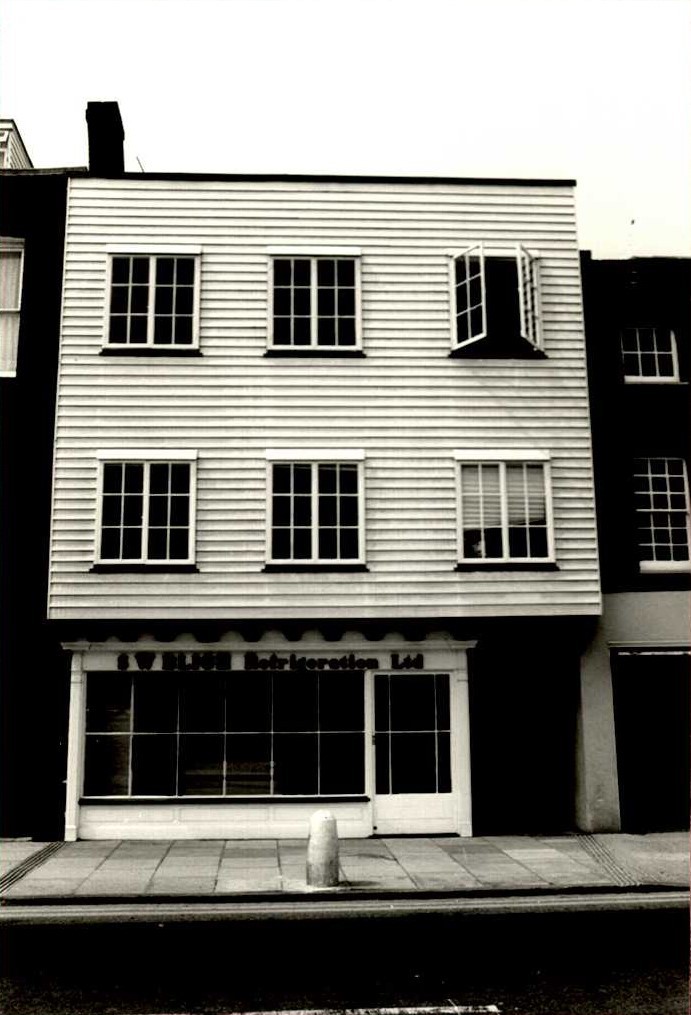
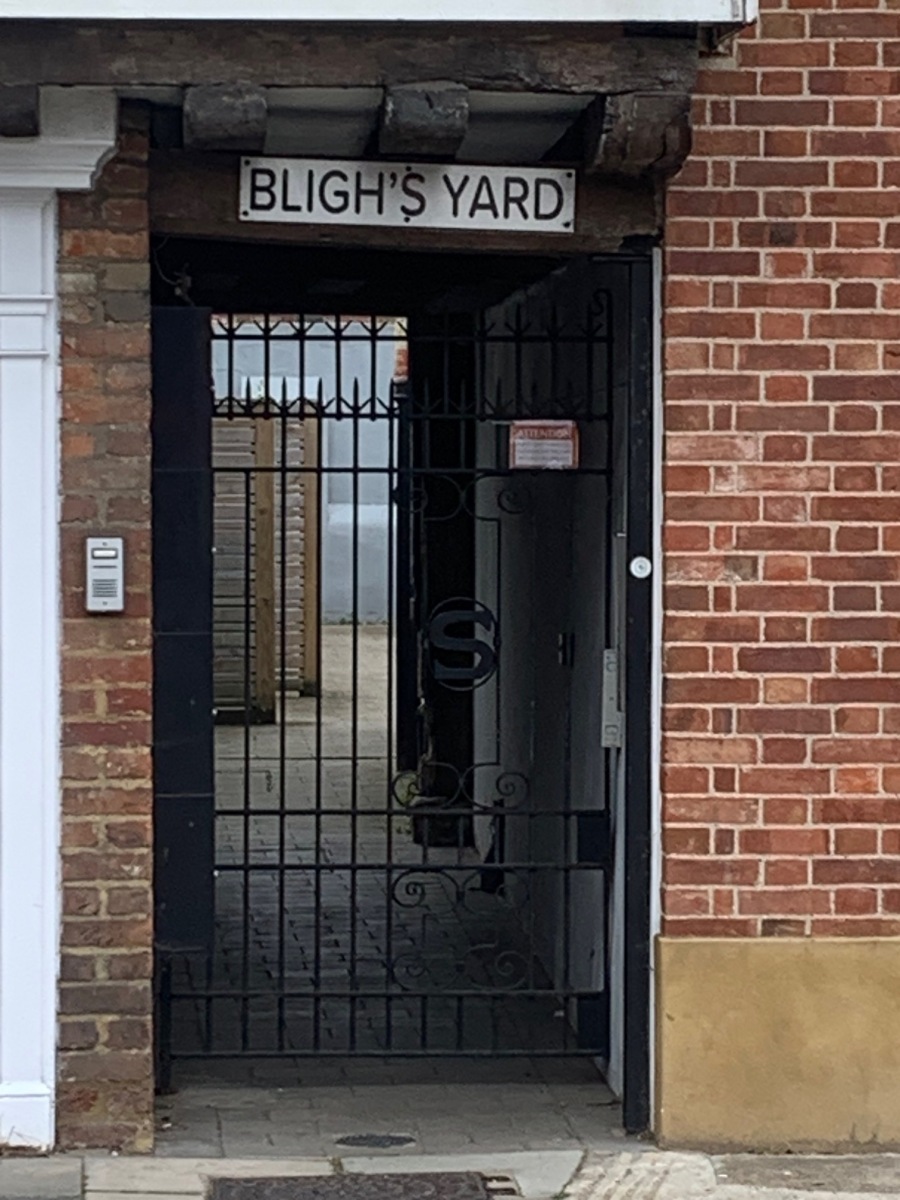
As of May 2026 there is no public recognition of Sydney Bligh in his home city, although the blue plaque (at 16 St. Radigund’s Street, image 7) commemorating Count Zborowski does mention the Bligh family of coach builders who had occupied the site. Interestingly, one of Sydney Bligh’s recovered films shows Count Zborowski and his miniature railway engine and line at Highland Court, Bridge. The firm of S W Bligh also had premises at 8B North Lane (image 8). Although this business has ceased trading, the entrance to the passage to the right (formerly known as Wood’s Passage or Martin’s Passage) has an entrance sign, Bligh’s Yard, which is still present (Image 9).
It is hoped that Sydney will soon have his own blue plaque in North Lane. CHAS, in association with the Canterbury Commemoration Society, arranged an evening event at St Paul’s Church (7:30pm, Monday June 1st 2026) focussing on the life of Sydney Bligh. The event was led by Tim Jones from CCCU, Dr Emma Hanna from Portsmouth University and Helen Jarrett, Sydney’s granddaughter. They showed several excerpts from Bligh’s cine films of life and events in the Canterbury district in the 1920s and 1930s. This event was successful in raising over £450 towards the cost of a blue plaque
CHAS is very grateful to Sylvia McNally (primary author of this article), Tim Jones (who provided input) and Sydney’s granddaughter, Helen Jarrett, who also reviewed the article and provided some of the photographs.
Click on the images below to enlarge them on screen. (Some images are from the Clive Bowley collection)